

The Ultimate Himalayan, Snowfall & Northeast
Traveler’s Health & Triage Guide
Essential clinical reading and 24x7 emergency tele-triage for domestic tourists, Char Dham & Himalayan pilgrims, foreign nationals, trek leaders, tour organizers, corporate offsites, luxury resorts, and mountain chemists across Kashmir, Ladakh, Himachal Pradesh, Uttarakhand, and the humid Northeast rainforests.
 24x7 Active Desk
Dr. Naryan Dass
General & Critical Care Physician • 100 Stars Clinic
"Every year, thousands of enthusiastic trekkers, corporate groups, foreign tourists, and senior Char Dham pilgrims suffer preventable medical crises simply because they misread early warning signs. At 12,000 feet in Leh or Kedarnath, a mild throbbing headache or a drop in oxygen saturation is not 'normal travel tiredness'—it is your body's early warning sign of low oxygen reaching the brain or lungs. Similarly, wading through a Northeast rainforest stream or drinking untreated cafe water in Parvati Valley can quickly lead to severe dehydration or insect-borne fevers. This guide is designed to be your pocket clinician—giving you the exact physiological red flags to watch for, and connecting you directly to our critical care desk in under 8 minutes whenever you need help."
Live Altitude, SpO2 Oximeter & Lake Louise AMS Triage Tool
Use your fingertip pulse oximeter at your hotel, camp, or yatra halt. Select your current altitude and symptoms below for an instant clinical risk assessment:
6-Zone Terrain, Weather & Pilgrim Clinical Encyclopedia
Understand how local geography, snowfall, river water, forest vectors, and steep ascents impact the human body from mild discomfort to critical emergencies:
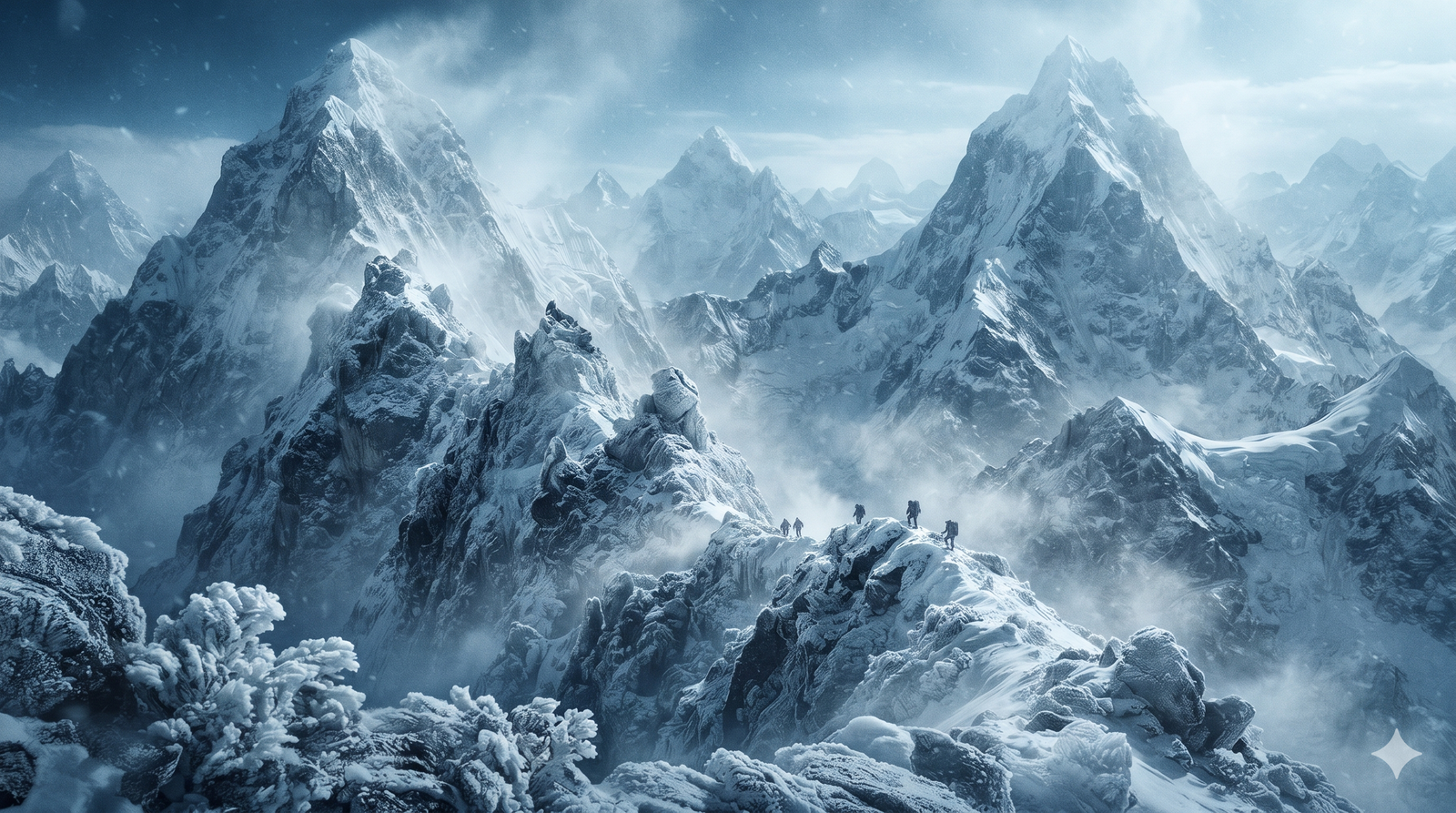
1. Heavy Snowfall, Sub-Zero Cold & High Altitudes
Leh-Ladakh • Spiti/Kaza • Gulmarg Phase 2 • Auli • Rohtang • Sela Pass
🟢 Mild Stage (Early Adaptation): Throbbing headache on both sides of the forehead, dry cough from cold mountain air, frequent urination (which causes hidden dehydration in the cold), chapped lips, and mild nighttime shivering.
🟡 Moderate Stage (Tissue & Altitude Stress): Acute Mountain Sickness (AMS) with nausea, complete appetite loss, broken sleep with irregular breathing, numb waxy skin on fingers, toes, or earlobes (early frostnip), and red, watery, gritty-feeling eyes after walking on bright snow without UV-protective sunglasses (snow blindness).
🔴 Critical Emergency (Immediate Descent & Triage): Fluid in the lungs (HAPE)—marked by breathlessness at rest, a gurgling sound in the chest, blue lips, and pink frothy cough; swelling in the brain (HACE)—causing an unsteady, drunken walk and confusion; deep frostbite (hard, frozen skin); and severe hypothermia where shivering stops and drowsiness sets in.
🩺 Clinical Do's & Don'ts: Never ascend with symptoms of AMS. Avoid alcohol and sleeping pills at altitude as they slow down your breathing while you sleep. Warm numb, frost-nipped fingers or toes gently in lukewarm (body-temperature) water (never rub with snow or expose to direct fire).
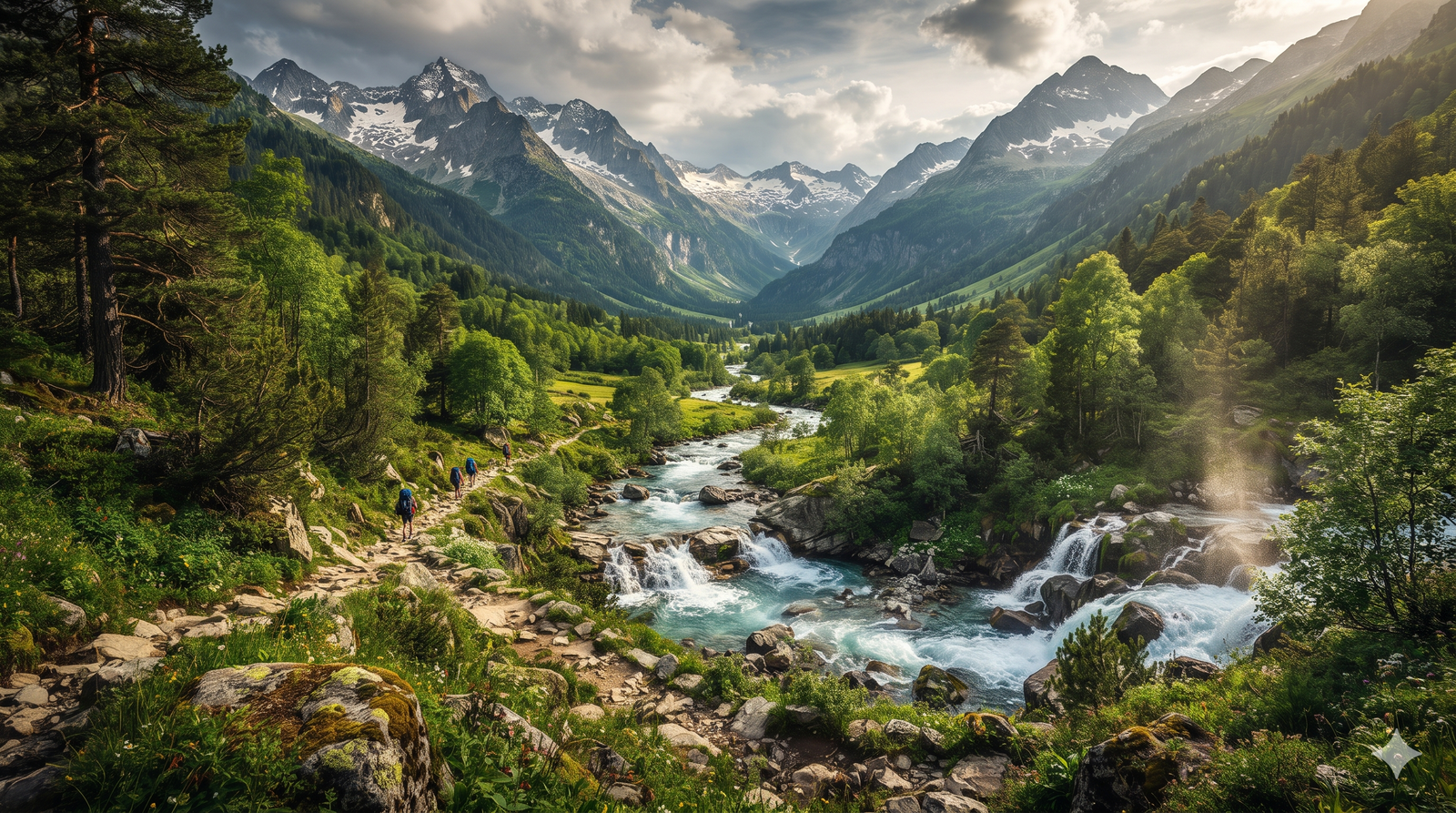
2. River Valleys, Glacial Streams & Backpacker Trails
Kasol & Parvati Valley • Rishikesh Rafting • Pahalgam Lidder • Tirthan & Jibhi
🟢 Mild Stage (Early Gut & Transit Strain): Motion sickness on winding mountain roads, upper stomach bloating, sour burps ("cafe belly"), mild acidity from roadside food, and 2–3 loose motions.
🟡 Moderate Stage (Active Gastroenteritis & Sprains): Sharp stomach cramps, 6 or more watery loose motions, repeated vomiting, mild fever, shoulder muscle strain from river rafting, or a sprained ankle from slipping on wet riverside rocks.
🔴 Critical Emergency (Severe Dehydration & High Fever): Inability to keep even sips of water down for over 6 hours, sunken eyes, very dark or no urine for 8+ hours (a sign of kidney strain from dehydration), blood or mucus in stools, high typhoid fever, or shock from falling into icy river water.
🩺 Clinical Do's & Don'ts: Never drink raw waterfall or stream water without chlorine dioxide purification or boiling. Avoid over-the-counter medicines that abruptly stop loose motions if you have a high fever or blood in your stool, as they can trap harmful germs inside your stomach.
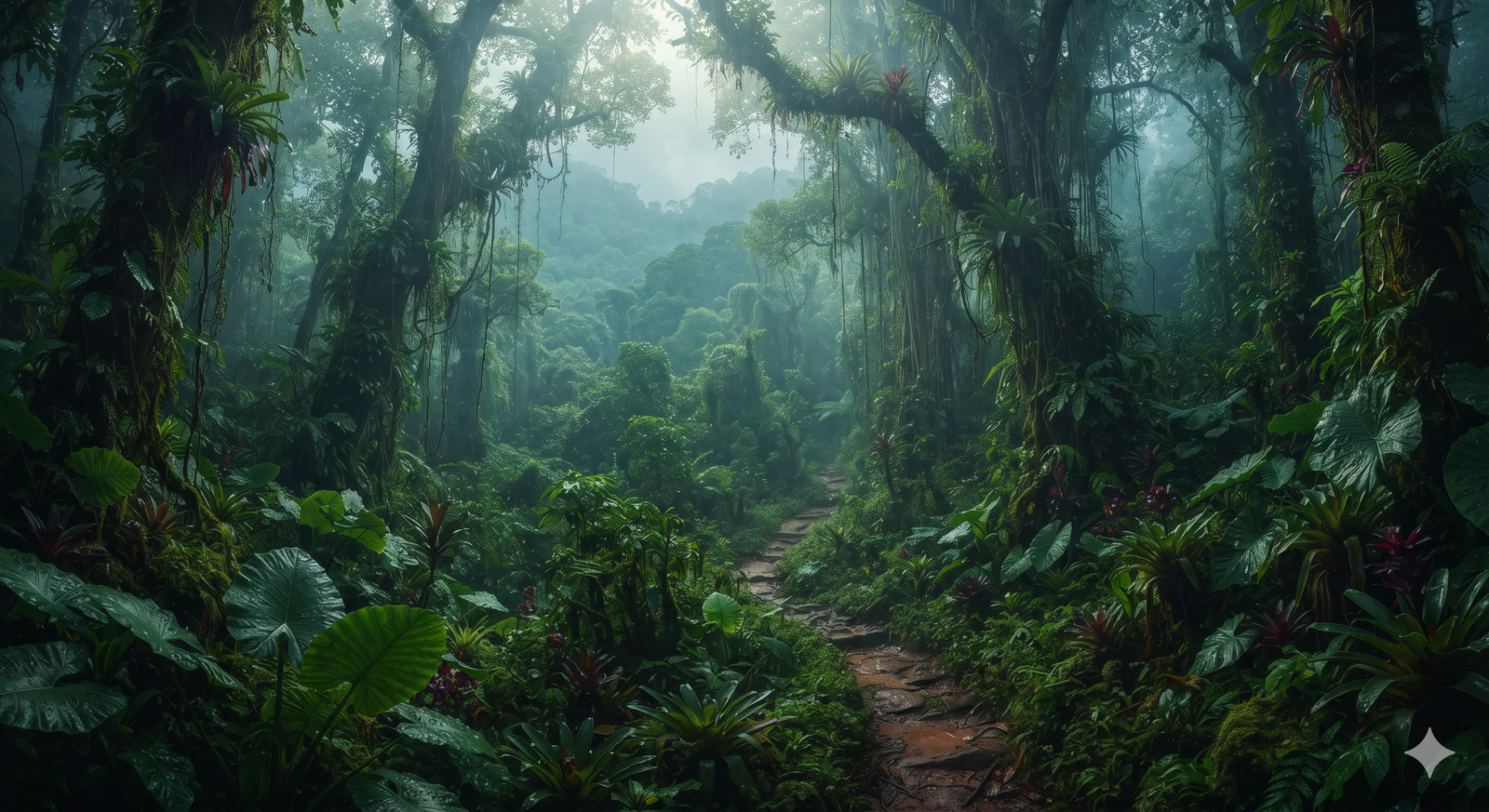
3. Dense Forests, Wildlife Reserves & Stinging Flora
Jim Corbett • Great Himalayan National Park • Dhauladhar • Kaziranga
🟢 Mild Stage (Surface Contact): Sudden burning skin rashes from Himalayan stinging nettle (Bicchu Buti), mosquito or sandfly bites, and painless leech bites that ooze small amounts of blood.
🟡 Moderate Stage (Embedded Vectors & Allergic Spread): Forest ticks stuck firmly to the skin (often behind the ears, around the ankles, or in skin folds), a spreading ring-shaped red rash, skin blisters from wild plant sap, and tender swollen glands.
🔴 Critical Emergency (Severe Jungle Fever, Allergic Shock & Snakebites): A painless black scab that looks like a tiny cigarette burn (an Eschar) paired with a high 103°F+ fever and severe body ache (Scrub Typhus), multiple hornet or bee stings causing throat swelling or difficulty breathing (severe allergic reaction), or a snakebite.
🩺 Clinical Do's & Don'ts: Never burn a tick or squeeze its belly—grip it close to the skin with fine tweezers and pull straight out. For snakebites, keep the bitten arm or leg still with a simple support and rush to a hospital immediately (never cut the wound, suck the venom, or tie a tight rope/tourniquet).
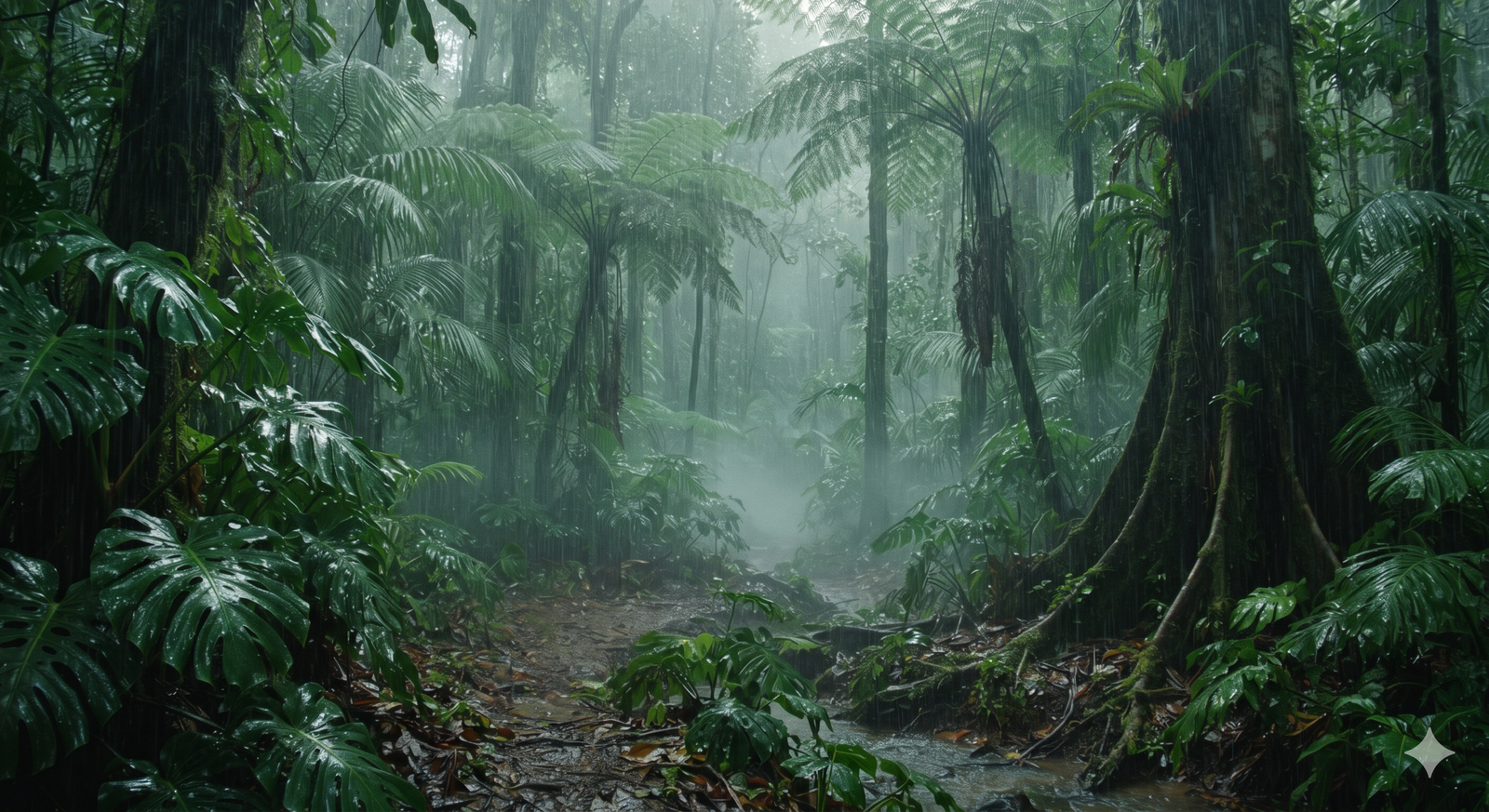
4. Humid, Rainy & Subtropical Northeast Corridors
Meghalaya (Cherrapunji/Dawki) • Assam • Arunachal • Sikkim • Nagaland Dzukou
🟢 Mild Stage (Moisture & Friction): Soft, white, wrinkled skin between the toes from walking in wet shoes, inner-thigh skin chafing, prickly heat rashes, and a blocked nose from damp weather.
🟡 Moderate Stage (Fungal Invasion & Immersion Foot): Itchy circular fungal rashes (ringworm or athlete's foot), painful cracked skin on the soles of the feet, pus in scratched leech or insect bites, and wheezing triggered by damp air.
🔴 Critical Emergency (Tropical Vector Fevers & Cellulitis): High fever with shivering chills, pain behind the eyes, or severe body aches (Dengue or Malaria), fast-spreading red, hot, painful swelling on the leg (skin infection / cellulitis), and heat exhaustion caused by extreme humidity.
🩺 Clinical Do's & Don'ts: Never sleep in damp socks. Air-dry feet at every halt and apply clinical anti-fungal dusting powder. Any fever within 14 days of visiting the Northeast requires an immediate blood smear/antigen check.
5. High-Altitude Pilgrimages, Seniors & Comorbidities
Char Dham (Kedarnath/Badrinath) • Vaishno Devi • Amarnath • Hemkund Sahib
🟢 Mild Stage (Mechanical Strain): Calf and thigh muscle cramps, front-of-the-knee pain while walking down steep stone steps, early shoe-bite friction on the heels, and mild breathlessness on uphill climbs.
🟡 Moderate Stage (Comorbid Destabilization): Freezing mountain weather narrowing blood vessels and pushing blood pressure above 160/100 mmHg, sudden low blood sugar from uphill walking (causing sweating and shakiness in diabetics), cold-air asthma flare-ups, and infected foot blisters.
🔴 Critical Emergency (Cardiac & Vascular Events): Heavy, squeezing pain in the center of the chest spreading to the left arm, back, or jaw (Heart Attack / Angina), sudden slurred speech or weakness on one side of the body (Stroke), or fainting on the yatra trail.
🩺 Clinical Do's & Don'ts: Hypertensive and diabetic pilgrims must never skip morning baseline checks or walk on an empty stomach during a 16km trek. Diabetics must inspect their feet every evening with a mirror to catch unnoticed blisters or sores early.
6. Foreign Nationals, Expats & International Trekkers
Leh • McLeodganj • Kasol • Rishikesh • Goa • Sikkim • Rajasthan
🟢 Common International Traveler Needs: Recovering from jet lag, planning safe acclimatization before flying straight into Leh (11,500 ft), safe food and water tips, and finding reliable Indian pharmacy equivalents for your regular home medicines.
🟡 Acute Travel Syndromes: Severe traveler’s diarrhea ("Delhi/Himalayan belly"), persistent mountain cough, sudden fevers, altitude-related anxiety, and urgent rabies vaccine guidance after a monkey or dog scratch.
🔴 Insurance & Evacuation Documentation: When international travelers require helicopter evacuation or hospitalization, global travel insurers demand a formal Attending Physician Clinical Summary with ICD-10 Diagnosis Codes.
🩺 How Our Desk Supports Foreign Nationals: Direct WhatsApp video consultation in fluent English with Dr. Naryan Dass, issuing single-page A4 PDF prescriptions accepted at every chemist in India plus official medical certificates for airlines and travel insurance claims.
Master Elevation, Oxygen & Hazard Matrix (24 North & Northeast Corridors)
Search your upcoming destination, mountain pass, or pilgrimage shrine below to view effective oxygen availability, primary medical risks, and open its dedicated 24x7 regional telehealth desk:
| Destination / Trek / Pass | Max Elevation | Expected Healthy SpO2 | Primary Terrain & Weather Hazards | 24x7 Regional Desk |
|---|---|---|---|---|
| Leh, Nubra, Pangong & Khardung La (Ladakh) | 11,500 – 17,582 ft | 84% – 91% | Severe low oxygen (AMS/HAPE), sub-zero frostnip, bright snow glare | Open Leh Desk → |
| Spiti Valley, Kaza, Komic & Chandratal | 12,500 – 15,050 ft | 85% – 90% | Extreme remoteness, nighttime oxygen drops, severe cold dehydration | Open Spiti Desk → |
| Kedarnath Dham Yatra & Chopta-Tungnath | 11,755 – 12,073 ft | 88% – 92% | 18km steep trek cardiac/BP surge, hypothermia in sudden rain/snow | Kedarnath Desk → |
| Badrinath Dham, Mana Pass & Hemkund Sahib | 10,800 – 14,100 ft | 86% – 92% | High-altitude breathing strain, low-blood-sugar exhaustion in seniors | Badrinath Desk → |
| Gangotri, Yamunotri & Harsil Valley | 10,200 – 10,804 ft | 89% – 93% | Cold-air wheezing/cough, steep Janki Chatti climb knee & calf cramps | Gangotri Desk → |
| Gulmarg Gondola Phase 1 & 2 (Ski Resort) | 8,690 – 13,050 ft | 87% – 93% | Rapid cable-car ascent headache, ski ACL/ankle sprains, child croup | Gulmarg Desk → |
| Srinagar Dal/Nigeen Lake, Pahalgam & Sonamarg | 5,200 – 9,186 ft | 92% – 96% | Traveler gastroenteritis, Thajiwas glacier cold, Amarnath base fatigue | Kashmir Desk → |
| Katra Vaishno Devi Track & Patnitop | 5,200 – 6,640 ft | 94% – 97% | 28km round-trip foot blisters, severe leg cramps, senior chest pain | Katra Desk → |
| Manali, Solang Valley, Atal Tunnel & Rohtang | 6,726 – 13,058 ft | 88% – 95% | Sudden tunnel-exit altitude headache, snow-sport sprains, food poisoning | Manali Desk → |
| Kasol, Tosh, Malana & Kheerganga Trek | 5,180 – 9,700 ft | 91% – 96% | Water-borne stomach infection ("cafe belly"), slip injuries, panic/anxiety | Kasol Desk → |
| Dharamshala, McLeodganj, Triund & Bir Billing | 4,780 – 9,350 ft | 92% – 96% | Triund knee strain, paragliding ear pressure pain/dizziness, traveler diarrhea | McLeodganj Desk → |
| Shimla, Mashobra, Kufri, Narkanda & Kasauli | 6,000 – 9,000 ft | 93% – 96% | Pediatric night fevers, senior hypertension spikes, ghat motion vomiting | Shimla Desk → |
| Jibhi, Tirthan Valley, Shoja & Jalori Pass | 5,500 – 10,280 ft | 90% – 96% | Forest tick/chigger bites, scrub typhus fever, remote homestay gastro | Jibhi Desk → |
| Rishikesh, Haridwar, Mussoorie, Nainital & Corbett | 1,200 – 7,500 ft | 95% – 98% | Rafting sprains, "Ganga belly" gastroenteritis, safari insect allergies | Uttarakhand Desk → |
| Sikkim (Gangtok, Nathu La, Gurudongmar, Goechala) | 5,410 – 17,800 ft | 83% – 95% | Extreme rapid ascent to North Sikkim lakes, leeches in lower forests | Sikkim Triage → |
| Meghalaya (Cherrapunji, Double-Decker Root Bridge), Assam & Tawang | 4,500 – 13,700 ft | 88% – 97% | 3,500-step root bridge knee cramps, wet-shoe fungal foot rash, Sela Pass cold | Northeast Triage → |
| Amarnath Yatra (Pahalgam / Chandanwari & Baltal Tracks) | 9,500 – 12,756 ft | 86% – 92% | Steep glacier climb breathlessness, sudden rain hypothermia, senior BP surge | Amarnath Desk → |
| Adi Kailash, Om Parvat & Darma Valley (Kumaon Himalayas) | 10,500 – 15,600 ft | 84% – 90% | Severe high-pass oxygen drop, icy wind chill, remote border-road fatigue | Kumaon Desk → |
| Auli Ski Slopes, Joshimath & Valley of Flowers Trek | 6,150 – 14,100 ft | 86% – 94% | Ski knee/ankle twists, monsoon trail slips, stinging flora & pollen allergy | Auli/Garhwal Desk → |
| Kedarkantha, Har Ki Dun, Dayara Bugyal & Brahmatal (Winter Snow Treks) | 9,800 – 12,500 ft | 87% – 92% | Sub-zero tent night shivering, early toe frostnip, summit-day headache | Winter Trek Desk → |
| Hampta Pass, Bhrigu Lake & Beas Kund (Himachal Alpine Crossings) | 12,100 – 14,100 ft | 86% – 91% | Glacial river-crossing cold shock, steep boulder ankle sprains, acute AMS | Alpine Trek Desk → |
| Kashmir Great Lakes, Tarsar Marsar & Sonamarg Alpine Trails | 11,000 – 13,750 ft | 86% – 91% | Zero-network pass hypoxia, wet meadow foot blisters, stream water diarrhea | Great Lakes Desk → |
| Kinnaur Kailash, Kalpa, Sangla, Chitkul & Nako Lake | 9,700 – 12,000 ft | 88% – 93% | Hindustan-Tibet highway motion vertigo, dry cold cough, nosebleeds | Kinnaur Desk → |
| Dzukou Valley (Nagaland/Manipur), Ziro Valley & Kaziranga | 1,500 – 8,045 ft | 93% – 98% | Forest tick & leech bites, scrub typhus fever, bamboo-trail skin scrapes | Northeast Triage → |
Traveling With Blood Pressure, Diabetes, Asthma or Anemia?
At high altitudes, your bone marrow and red blood cells must work overtime to carry scarce oxygen. If you have undetected iron-deficiency anemia (low Hemoglobin), uncontrolled HbA1c, or borderline kidney/cardiac reserve, ascending above 8,000 feet can trigger severe breathlessness within hours.
- 🩸 1. Hemoglobin & Ferritin Audit Low hemoglobin starves muscles and brain tissue of oxygen on mountain passes. Check CBC 7 days before departure.
- 💓 2. Cold-Weather BP & ECG Sub-zero temperatures constrict peripheral arteries, raising systolic BP. Pre-adjust your baseline regimen with Dr. Naryan Dass.
- 🍬 3. Trek Glycemic Protocol Steep uphill trekking burns glucose rapidly while cold slows insulin absorption. Prevent dangerous mid-trail hypoglycemia.
- 📄 4. Official Yatra Fitness Certificate Get your pre-trip vitals, 12-lead ECG, and NABL blood panel evaluated for official Char Dham / Amarnath / Trek medical fitness.
Pre-Trip Medical Clearance & Blood Check
Book a Pre-Trek / Pre-Yatra Physician Tele-Review anywhere in India, or schedule a 7:00 AM Free Doorstep NABL Blood Sample Collection (CBC, HbA1c, KFT, Lipid, Vitamin D) across Delhi-NCR before your trip.

Interactive Wilderness Gear & First-Aid Healthkit Configurator
Don't rely on basic band-aids when heading into sub-zero snow passes or rainforest trails. Select the clinical-grade monitoring devices, orthopedic supports, and doctor-curated first-aid modules you need below, and dispatch your custom kit order directly to Hudson Pharmacy 24x7:
Partner With 100 Stars Clinic & Hudson Pharmacy 24x7
Tailored medical coverage, accompanying expedition doctors, guest-room virtual infirmaries, and B2B revenue-sharing models for travel industry stakeholders:
Hire an Accompanying Expedition Doctor
Taking 50–300 employees or VIPs to Mussoorie, Jim Corbett, Rishikesh, Shimla, or Ladakh? Fulfill corporate duty-of-care by hiring an On-Site Accompanying Physician / Paramedic equipped with emergency cardiac, oxygen, and trauma gear—or activate a dedicated 24x7 Virtual Medical Desk for your offsite.
24x7 On-Trip Telehealth & Group Kit Tie-Up
Running weekend Volvo trips or treks from Delhi/Chandigarh to Manali, Kasol, Jibhi, Kedarnath, or Spiti? Protect your brand reputation by bundling "100 Stars 24x7 On-Call Medical Coverage" into every seat sold, plus wholesale group first-aid kits for your trek captains.
Free "24x7 Virtual Infirmary" Room QR Standees
Upgrade your resort, glamping camp, or Dal Lake houseboat with a 24x7 On-Call Senior Physician Desk at zero fixed cost. We provide custom-branded reception & in-room QR standees (?partner=YourResort) so unwell guests connect with a doctor in <8 mins without midnight panic.
B2B Prescription Fulfillment & Referral Network
Own a medical store in Manali, Shimla, Kasol, Rishikesh, Guptkashi, Srinagar, or Gangtok? Join our Authorized Local Fulfillment Network. We route our teleconsultation patients in your town directly to your shop to buy their prescribed medicines, and give you a counter QR for walk-in sick tourists needing a doctor's Rx!
Frequently Asked Questions by Travelers & Organizers
Clinical answers from our wilderness and high-altitude telemedicine desk:
1. What is a safe SpO2 pulse oximeter reading in Leh Ladakh, Spiti Valley, or Kedarnath? ▼
At elevations between 10,000 ft and 12,500 ft (such as Leh, Kedarnath, Badrinath, or Kaza), barometric pressure is roughly 35% lower than at sea level, so a resting SpO2 reading between 88% and 93% is normal during your first 48 hours of acclimatization. However, if your resting SpO2 drops below 85%, or if any reading is accompanied by breathlessness at rest, chest gurgling, unsteadiness while walking, or severe headache, you must initiate an immediate physician video triage and begin descent.
2. How does your A4 digital prescription work when I am in a remote hill station or resort? ▼
Following your WhatsApp audio/video consultation with Dr. Naryan Dass, our desk generates an official, NMC-compliant single-page A4 PDF prescription bearing the doctor's registration number, clinical diagnosis, and digital stamp. You can show this PDF on your phone at any local chemist across India, share it with your resort concierge for medicine pickup, or use it for corporate HR medical leave and travel insurance claims.
3. Can corporate groups, schools, or VIP pilgrimage families hire a doctor to travel with them? ▼
Yes. Through our B2B Expedition Desk, corporate houses, MICE event agencies, university excursions, and VIP families can book a qualified accompanying physician or critical-care paramedic equipped with portable oxygen, cardiac monitors, and emergency trauma kits to travel physically with the group throughout the itinerary.